- Why Chocolate Got Pricier (and What Could Bring It Down)
Cocoa futures hit $12,261 per metric ton in April 2024 — the highest on record and nearly triple the price from two years earlier. While prices have pulled back to around $7,000–8,000 per ton by late 2024, chocolate bars at grocery stores still cost 30–40% more than they did in 2022. The question facing traders, food companies, and anyone with a sweet tooth is whether this represents a new structural floor or a commodity bubble ready to deflate.
- How Trend-Following Works (With a Real-World Example)
The uranium market has been on a tear, and trend-followers are riding the wave. Cameco stock jumped 17% in a single session last month, capping a multi-year bull run that’s delivered triple-digit returns since 2020. This isn’t stock-picking genius — it’s systematic trend-following in action, catching momentum without trying to predict turning points.
- Rare Earth Metals: Why Your Phone Depends on Them
The smartphone in your pocket contains at least 16 different rare earth elements. Without neodymium, your phone’s speakers would be silent. Without dysprosium, the vibration motor wouldn’t work. Without europium, your screen would lack color clarity. These 17 obscure elements — with tongue-twisting names like praseodymium and gadolinium — have quietly become the backbone of every piece of modern technology.
- Regulatory Ripples: Where Rules Move Prices
The Q3 earnings season has stripped away any remaining illusion that markets move primarily on fundamentals. Across semiconductors, energy, and financial services, regulatory compliance has emerged as the dominant force shaping both pricing and market structure — often overwhelming traditional metrics like revenue growth and margin expansion.
- Refining Margins and Metals Stocks: Under-the-Radar Levers
As global equity traders fixate on megacap tech and monetary policy, the industrial commodity markets are screaming red alerts. Crack spreads – refiners’ key profit metric – have surged 45% since January, demolishing seasonal patterns. Meanwhile, metals exchange inventories have collapsed to levels not seen since the 2008 financial crisis, with copper stocks dropping a staggering 35% since November.
- Crowding Check: Where Flows Are Thickest
The “pain trade” has become a self-fulfilling prophecy. As systematic capital swells past $7.2 trillion globally, positioning — not fundamentals — increasingly drives price action. The result? Markets that appear deceptively liquid during normal times but harbor hidden fragilities.
- Auction Tails & Term Premium: What Changed This Week
The U.S. Treasury market just delivered its loudest warning signal since the 2023 regional banking crisis. Tuesday’s $42 billion 10-year note auction saw indirect bidders snap up 65.3% of the offering – a stark reversal from September’s tepid 59.8% take-up. When foreign central banks and institutional investors suddenly pile into duration at these levels, it pays to look under the hood.
- Oil Supply Fears and Market Dynamics
The energy market’s plumbing is cracking at precisely the wrong moment. With Brent crude surging past $92.50/barrel on Middle East tensions, trading volumes in major energy futures have plummeted 23% below their 5-year average. Market depth – the ability to execute large trades without moving prices – has deteriorated to levels not seen since the 2020 oil crash.



 Cocoa futures hit $12,261 per metric ton in April 2024 — the highest on record and nearly triple the price from two years earlier. While prices have pulled back to around $7,000–8,000 per ton by late 2024, chocolate bars at grocery stores still cost 30–40% more than they did in 2022. The question facing traders, food companies, and anyone with a sweet tooth is whether this represents a new structural floor or a commodity bubble ready to deflate.
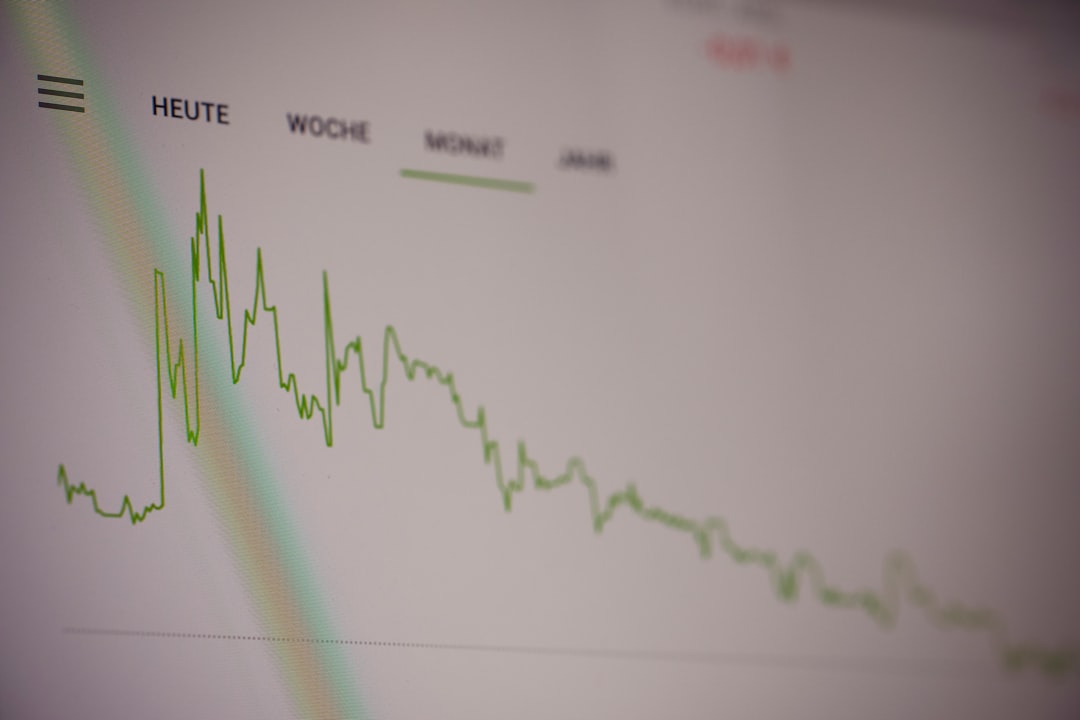 The uranium market has been on a tear, and trend-followers are riding the wave. Cameco stock jumped 17% in a single session last month, capping a multi-year bull run that’s delivered triple-digit returns since 2020. This isn’t stock-picking genius — it’s systematic trend-following in action, catching momentum without trying to predict turning points.
 The smartphone in your pocket contains at least 16 different rare earth elements. Without neodymium, your phone’s speakers would be silent. Without dysprosium, the vibration motor wouldn’t work. Without europium, your screen would lack color clarity. These 17 obscure elements — with tongue-twisting names like praseodymium and gadolinium — have quietly become the backbone of every piece of modern technology.
 The Q3 earnings season has stripped away any remaining illusion that markets move primarily on fundamentals. Across semiconductors, energy, and financial services, regulatory compliance has emerged as the dominant force shaping both pricing and market structure — often overwhelming traditional metrics like revenue growth and margin expansion.
 As global equity traders fixate on megacap tech and monetary policy, the industrial commodity markets are screaming red alerts. Crack spreads – refiners’ key profit metric – have surged 45% since January, demolishing seasonal patterns. Meanwhile, metals exchange inventories have collapsed to levels not seen since the 2008 financial crisis, with copper stocks dropping a staggering 35% since November.
 The “pain trade” has become a self-fulfilling prophecy. As systematic capital swells past $7.2 trillion globally, positioning — not fundamentals — increasingly drives price action. The result? Markets that appear deceptively liquid during normal times but harbor hidden fragilities.
 The U.S. Treasury market just delivered its loudest warning signal since the 2023 regional banking crisis. Tuesday’s $42 billion 10-year note auction saw indirect bidders snap up 65.3% of the offering – a stark reversal from September’s tepid 59.8% take-up. When foreign central banks and institutional investors suddenly pile into duration at these levels, it pays to look under the hood.
 The energy market’s plumbing is cracking at precisely the wrong moment. With Brent crude surging past $92.50/barrel on Middle East tensions, trading volumes in major energy futures have plummeted 23% below their 5-year average. Market depth – the ability to execute large trades without moving prices – has deteriorated to levels not seen since the 2020 oil crash.